How to Build a Business That Runs Without You
Pillar Guide · Systems & Automation for Solopreneurs
For solopreneurs, founders, consultants, and small agencies

Automation systems for solopreneurs (not tools, not hacks)
Most solopreneurs don’t struggle because they lack motivation, discipline, or AI tools.
They struggle because their business depends on them for every operational decision.
Every lead needs routing.
Every follow-up needs remembering.
Every process needs supervision.
This creates decision fatigue — the real bottleneck behind burnout and stalled growth.
AI tools promise efficiency.
But tools don’t remove responsibility.
Operational automation systems do.
This pillar page explains how solopreneurs build automation systems that remove manual work, reduce decision fatigue, and allow a business to operate without constant founder involvement.
Not hacks.
Not productivity tricks.
But systems designed to last.
The three pillars of solopreneur automation systems
Effective automation for solopreneurs requires more than software.
It requires three foundational elements working together:
- Mindset — how automation is approached
- Structure — how automation is designed
- Durability — how automation survives change
Miss one, and automation breaks.
Below are the three core pillars behind scalable, low-maintenance automation systems.
Automation mindset
Stop adding tools. Start removing decisions.
Most solopreneurs approach automation by asking:
“What automation tool should I use?”
That question leads to tool overload and fragile workflows.
The correct question is:
“What decisions should never reach me again?”
Decision fatigue — not lack of speed — is what slows solopreneurs down.
This article explains:
- Why AI tools alone don’t reduce burnout
- How automation systems replace responsibility instead of adding complexity
- Why calm operations are the real sign of leverage

Automation structure
The automation stack that actually works for solopreneurs
Once the mindset is clear, automation becomes possible — but only with structure.
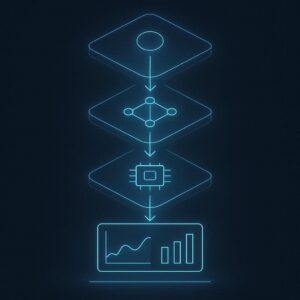
Every reliable automation system follows the same framework:
- Input — where data enters
- Logic — where decisions are made
- Execution — where actions happen
- Visibility — where oversight replaces checking
This article breaks down the 4-layer automation stack for solopreneurs and shows how founders reclaim 10+ hours per week without adding more tools.
You’ll learn:
- Where solopreneurs actually lose time
- Why task automation fails without workflows
- How structure replaces constant monitoring
Automation durability
Systems that survive growth, change, and absence
Most automation setups don’t fail immediately.
They fail when:
- The business evolves
- The founder steps away
- A tool updates or breaks
- An edge case appears
This article explains:
- What long-term automation systems actually require
- Why most automations collapse after 30 days
- How durable systems are designed to survive time
How these automation pillars work together
These three articles are designed as a single system, not standalone posts.
- Mindset prevents bad automation decisions
- Structure makes automation usable
- Durability makes automation reliable
Remove one pillar, and automation becomes fragile.
Together, they create sustainable leverage for solopreneurs.
Who solopreneur automation systems are for
This framework works best for solopreneurs who:
- Want fewer decisions, not more dashboards
- Prefer operational clarity over constant optimization
- Care about long-term stability
- View systems as business assets
It is not designed for:
- One-off task automation
- DIY tool stacking
- Businesses without defined workflows
Automation systems require intention — but once built, they compound quietly.
Why the best automation systems feel invisible
Strong automation systems don’t feel impressive.
They feel quiet.
You stop thinking about:
- Whether something happened
- Who should do what
- What comes next
Your role shifts from executor to operator.
That’s not speed.
That’s operational independence.
Check our bot here

Quantfeed — Automated News Feeds (Done-for-You)
If your business depends on staying informed (crypto, AI, tech, markets), manual monitoring becomes a daily tax.
Quantfeed is the intelligence layer we install and run for you.
We monitor your niche, filter the noise, summarize the signal, and deliver ready-to-use updates into your channels, or your public channel — automatically.
What Quantfeed powers
- Telegram / Discord news feeds (daily or real-time), Live here https://quantfeed.quanturama.com
- Founder & team briefings (digest format)
- Blog “news sections” and authority streams
- Social snippets (LinkedIn / X headlines)
- Market and ecosystem monitoring (competitors, listings, narratives)
What you save
- 60–90 hours/month of research and monitoring
- Context switching and “scroll fatigue”
- Inconsistent updates that weaken authority and community trust
How it works
- We map your sources (RSS, sites, ecosystems, competitors)
- We define your filters (keywords, topics, exclusions)
- We deploy the automation pipeline + prompt library
- Updates flow to your channels — with tagging, formatting, and structure
If you want daily intelligence without doing the daily work, Quantfeed is the fastest way to install a reliable information engine.
➡️ Quantfeed service: https://quantfeed.quanturama.com
Conclusion: scalable businesses are built on systems, not effort
Solopreneurs don’t scale by working harder.
They scale by building businesses that ask less of them.
Automation isn’t about doing more work faster.
It’s about removing yourself from repetition.
When decisions disappear, time returns.
When structure exists, calm follows.
That’s what solopreneur automation systems are designed to do.
Quanturama — Systems / Automation
Ready to replace busywork with operational systems?
If your business still depends on you for every follow-up, handoff, and decision, we will map your workflows and design an automation system that lasts — so you can operate calmly, not react daily.
Prefer email? Send a short note with your workflow pain points and we will reply with a system outline.